QTour - Private China Tours 2026, Your Way | Chinese Travel Agency
Experience China with personalized private tours. One booking includes private guide, driver, and optional photographer. Explore Beijing, Xi'an, Shanghai, Guilin, Tibet, Zhangjiajie, Chengdu, Yunnan, Hangzhou, Qinghai, Gansu, Inner Mongolia and more. QTour is a trusted Chinese travel agency with 20+ years of experience, serving 50,000+ travelers worldwide.
Featured China Tours 2026 & 2027
Discover our handpicked private China tour packages for 2026 and 2027. Each tour includes a dedicated English-speaking guide, private air-conditioned vehicle, professional driver, all entrance fees, hotel accommodations, and airport transfers. Optional professional photographer with DSLR and drone available.
Top 10 China Tours
- Classic Beijing & Xi'an 8 Days - From $1,299. Explore the Great Wall, Forbidden City, Terracotta Warriors, and ancient city walls. Perfect first-time China itinerary covering imperial capitals.
- Golden Triangle 10 Days - From $1,899. Beijing, Xi'an, and Shanghai comprehensive tour. Experience ancient wonders and modern metropolis in one journey.
- Guilin Landscape & Yangshuo 6 Days - From $999. Li River cruise, karst mountains, bamboo rafting, and countryside cycling. China's most scenic destination.
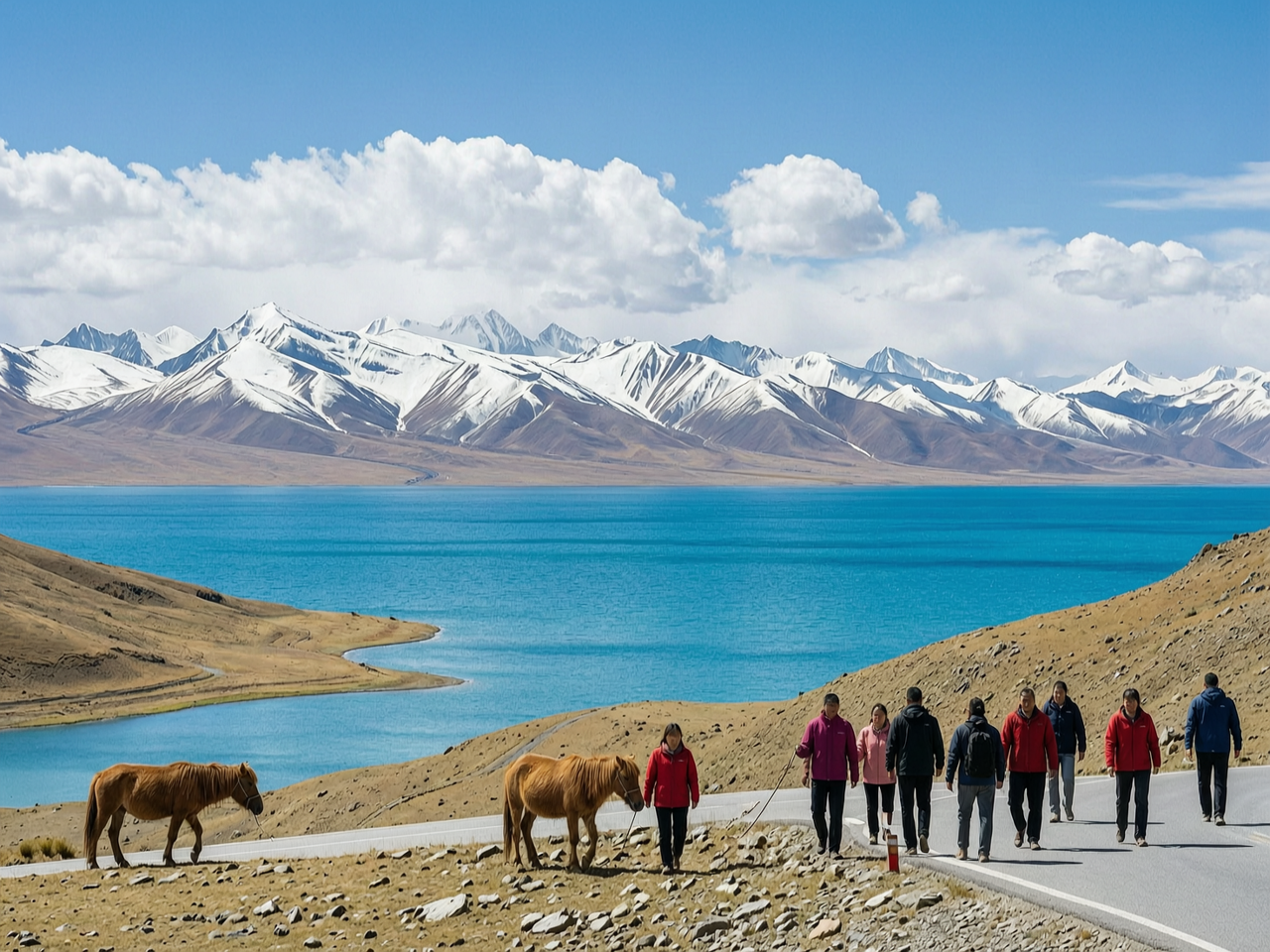
- Tibet Adventure 8 Days - From $1,599. Lhasa, Potala Palace, Jokhang Temple, and Everest Base Camp. Sacred Tibetan Buddhist pilgrimage.
- Silk Road Expedition 12 Days - From $2,299. Xi'an, Dunhuang, Turpan, Urumqi. Ancient trade route with Mogao Caves and desert landscapes.
- Chengdu Panda & Sichuan 7 Days - From $1,199. Giant pandas, Leshan Giant Buddha, spicy Sichuan cuisine, and tea culture.
- Yunnan Diversity 10 Days - From $1,799. Kunming, Dali, Lijiang, Shangri-La. Ethnic minorities, ancient towns, and snow-capped mountains.
- Zhangjiajie Avatar Mountains 5 Days - From $899. Quartz-sandstone pillars, glass bridge, Tianmen Mountain. James Cameron's Avatar inspiration.
- Yangtze River Cruise 8 Days - From $1,499. Chongqing to Shanghai cruise with Three Gorges, Wuhan, and Nanjing stops.
- Inner Mongolia Grassland 6 Days - From $1,099. Hohhot, grasslands, Gobi Desert, nomadic culture, horseback riding.
Special Interest Tours
- China Visa-Free Tours - 30-day visa-free entry for citizens of France, Germany, Italy, Spain, Malaysia, and 50+ countries. No visa required!
- Family-Friendly China Tours - Kid-friendly itineraries with pandas, kung fu shows, dumpling making, and interactive cultural experiences.
- Photography Tours - Professional photographer included. Capture stunning landscapes, street scenes, and cultural moments with DSLR and drone.
- Food & Culinary Tours - Regional cuisine exploration: Beijing duck, Sichuan hotpot, Cantonese dim sum, Xi'an street food.
- Hiking & Trekking Tours - Great Wall hiking, Tiger Leaping Gorge, Yubeng Village, Mount Huashan plank path.
All China Tour Packages
Browse our complete collection of private China tours. Filter by duration (3-15 days), price range ($500-$3000), and destinations. All tours include private guide, driver, vehicle, hotels, entrance fees, and meals as specified.
Private Tours by Duration
- 3-5 Day Short Trips - Perfect for layovers or extending your stay. Beijing highlights, Shanghai city tour, Xi'an essentials, Guilin day trips.
- 6-8 Day Classic Tours - Most popular duration. Covers 2-3 major cities with comfortable pace. Beijing-Xi'an, Shanghai-Hangzhou, Chengdu-Guilin.
- 9-12 Day Comprehensive Tours - In-depth exploration of 3-5 regions. Golden Triangle, Silk Road, Yunnan diversity, Southwest China.
- 13-15 Day Grand Tours - Ultimate China experience. Coast-to-coast journeys, multi-region combinations, special interest themes.
Private Tours by Theme
- Historical & Cultural Tours - Forbidden City, Terracotta Warriors, Mogao Caves, ancient temples, UNESCO World Heritage Sites.
- Nature & Landscape Tours - Guilin karst peaks, Zhangjiajie pillars, Jiuzhaigou lakes, Yellow Mountain, Tiger Leaping Gorge.
- Wildlife & Panda Tours - Chengdu Panda Base, Wolong Nature Reserve, Yunnan wildlife, bird watching.
- Religious & Spiritual Tours - Tibetan Buddhism, Shaolin Temple, Wudang Mountain Taoism, Islamic heritage in Xi'an.
- Adventure & Outdoor Tours - Hiking, cycling, rock climbing, white-water rafting, desert trekking.
China Destinations Guide
Explore China's diverse regions with our comprehensive destination guides. Each city page includes top attractions, recommended tours, best time to visit, transportation tips, local food, and travel advice from our experienced guides.
Eastern China
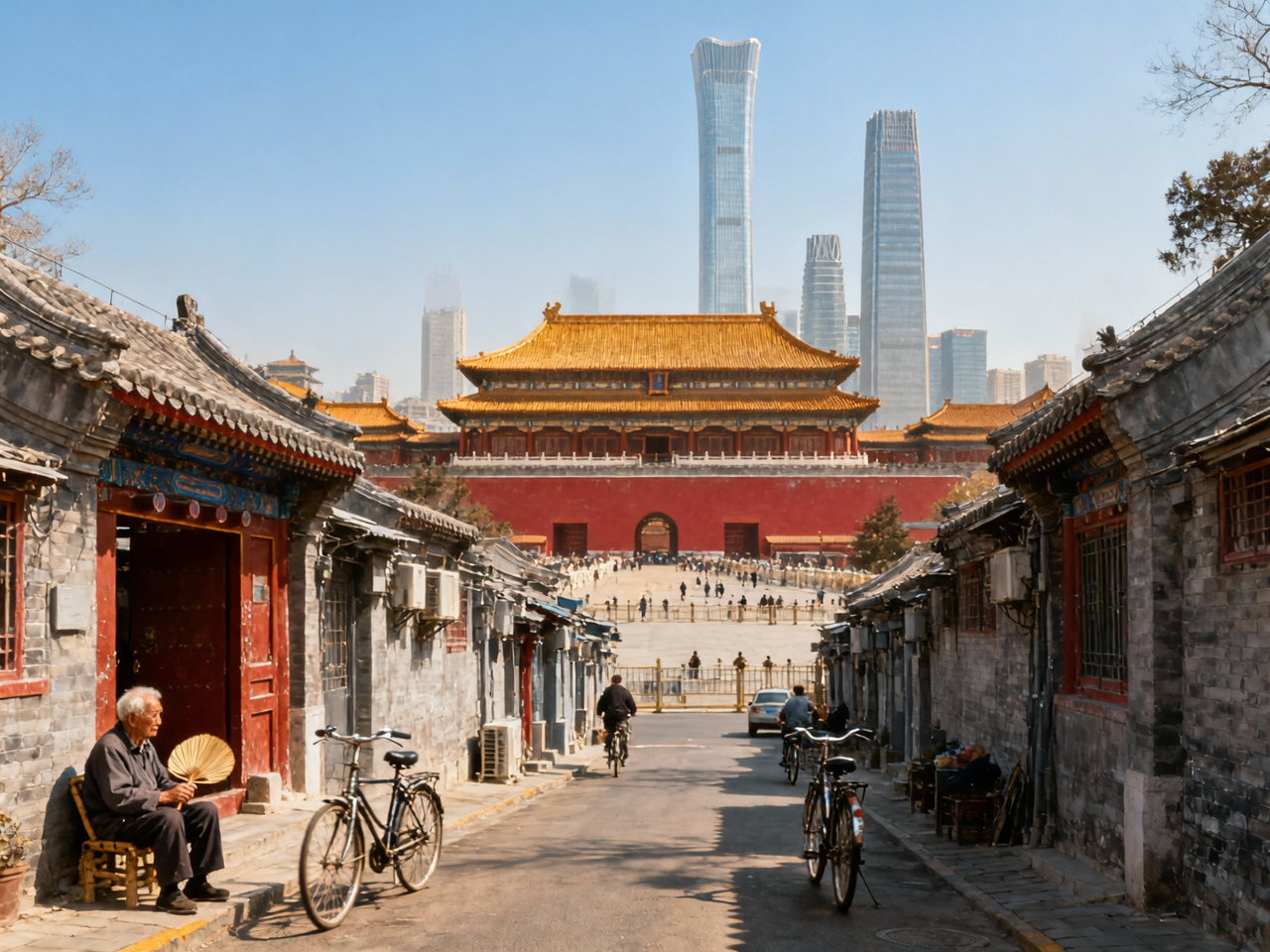
- Beijing - China's capital with 3,000 years of history. Must-see: Great Wall (Mutianyu, Badaling, Jinshanling sections), Forbidden City, Temple of Heaven, Summer Palace, Hutongs. Best time: April-May, September-October. Beijing travel agency for private Beijing tours with English-speaking guides.
- Shanghai - Modern metropolis blending colonial heritage and futuristic skyline. Must-see: The Bund, Yu Garden, French Concession, Shanghai Tower, Huangpu River cruise. Best time: March-May, October-November. Shanghai travel agency for private Shanghai tours.
- Hangzhou - "Heaven on Earth" with poetic West Lake scenery. Must-see: West Lake cruise, Lingyin Temple, Longjing tea plantations, Six Harmonies Pagoda. Famous for green tea and silk. Best time: March-May, September-November. Hangzhou travel agency.
- Nanjing - Ancient capital with Ming Dynasty heritage. Must-see: Sun Yat-sen Mausoleum, Ming Xiaoling Tomb, Confucius Temple, City Wall.
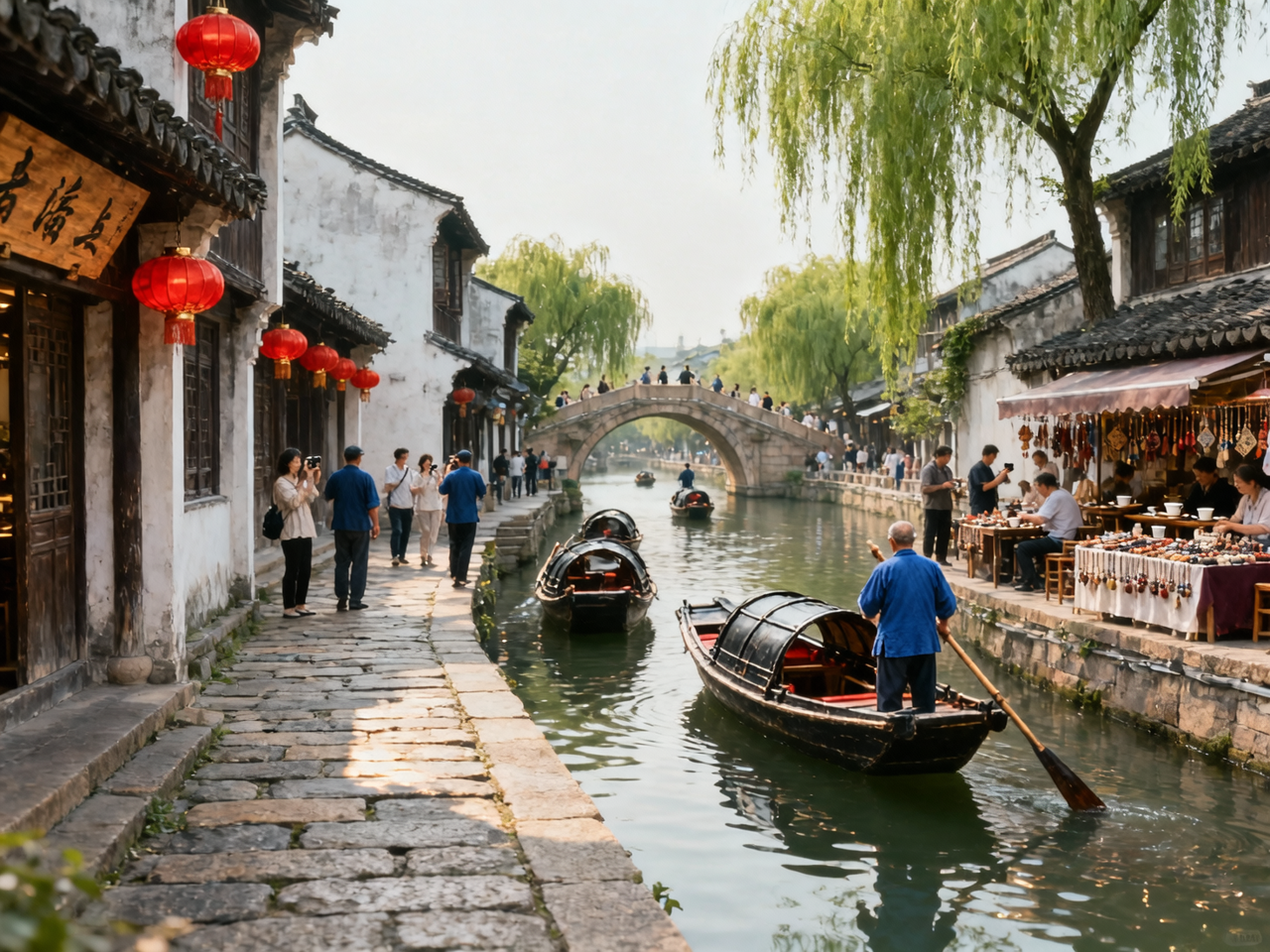
- Suzhou - "Venice of the East" with classical gardens and canals. Must-see: Humble Administrator's Garden, Tiger Hill, Pingjiang Historic Street.
Central China
- Xi'an - Ancient capital and start of Silk Road. Must-see: Terracotta Warriors Museum, Ancient City Wall, Muslim Quarter, Big Wild Goose Pagoda, Huaqing Palace. Famous for roujiamo and biangbiang noodles. Best time: April-May, September-October. Xi'an travel agency for private Xi'an tours.
- Luoyang - Ancient capital with Longmen Grottoes Buddhist carvings. Must-see: Longmen Grottoes, White Horse Temple, Shaolin Temple nearby.
- Wuhan - Central China hub on Yangtze River. Must-see: Yellow Crane Tower, East Lake, Hubei Provincial Museum.
Southern China
- Guilin - World-famous karst landscape immortalized in Chinese paintings. Must-see: Li River cruise (Guilin to Yangshuo), Elephant Trunk Hill, Reed Flute Cave, Yangshuo countryside cycling, Yulong River bamboo rafting. Best time: April-October. Guilin travel agency for private Guilin tours.
- Guangzhou - Culinary capital and gateway to Hong Kong. Must-see: Chen Clan Academy, Shamian Island, Canton Tower, Pearl River cruise. Famous for dim sum and Cantonese cuisine. Best time: October-December. Guangzhou travel agency.
- Shenzhen - Tech hub transformed from fishing village. Must-see: Window of the World, Huaqiangbei electronics market, Dameisha Beach, OCT Loft. Best time: October-December. Shenzhen travel agency.
- Xiamen - Coastal garden city with colonial heritage. Must-see: Gulangyu Island (UNESCO), Hakka Tulou earthen buildings, Xiamen University, Nanputuo Temple. Best time: October-December. Xiamen travel agency.
- Haikou - Tropical capital of Hainan Island ("China's Hawaii"). Must-see: Volcanic Cluster Geopark, Qilou Old Street, Holiday Beach. 30-day visa-free for 59 countries. Best time: November-March. Haikou travel agency.
Southwestern China
- Chengdu - Home of giant pandas and spicy Sichuan cuisine. Must-see: Chengdu Research Base of Giant Panda Breeding, Leshan Giant Buddha (71m tall), Jinli Ancient Street, Wuhou Shrine. Famous for hotpot and mapo tofu. Best time: March-June, September-November. Chengdu travel agency for private Chengdu tours.
- Chongqing - "Mountain City" built on steep hillsides. Must-see: Hongya Cave stilted buildings, Yangtze River cable car, Ciqikou Ancient Town, Three Gorges Museum. Famous for numbing spicy hotpot. Best time: March-May, September-November. Chongqing travel agency.
- Kunming - "Spring City" with eternal mild weather. Must-see: Stone Forest (UNESCO karst landscape), Dounan Flower Market (Asia's largest), Dianchi Lake, Yunnan Provincial Museum. Gateway to Yunnan's ethnic minority regions. Best time: Year-round. Kunming travel agency.
- Lijiang - Ancient Naxi town with snow-capped Jade Dragon Mountain backdrop. Must-see: Lijiang Old Town (UNESCO), Black Dragon Pool, Baisha Village, Shuhe Ancient Town. Best time: April-October.
- Dali - Lakeside town with Bai minority culture. Must-see: Erhai Lake, Three Pagodas, Dali Old Town, Cangshan Mountain.
- Shangri-La - Tibetan plateau town at 3,200m elevation. Must-see: Songzanlin Monastery, Pudacuo National Park, Dukezong Ancient Town.
Northwestern China
- Zhangjiajie - Surreal quartz-sandstone pillars that inspired Pandora in Avatar movie. Must-see: Zhangjiajie National Forest Park, Tianmen Mountain (world's longest cable car), Grand Canyon Glass Bridge (300m high). Best time: April-October. Zhangjiajie travel agency.
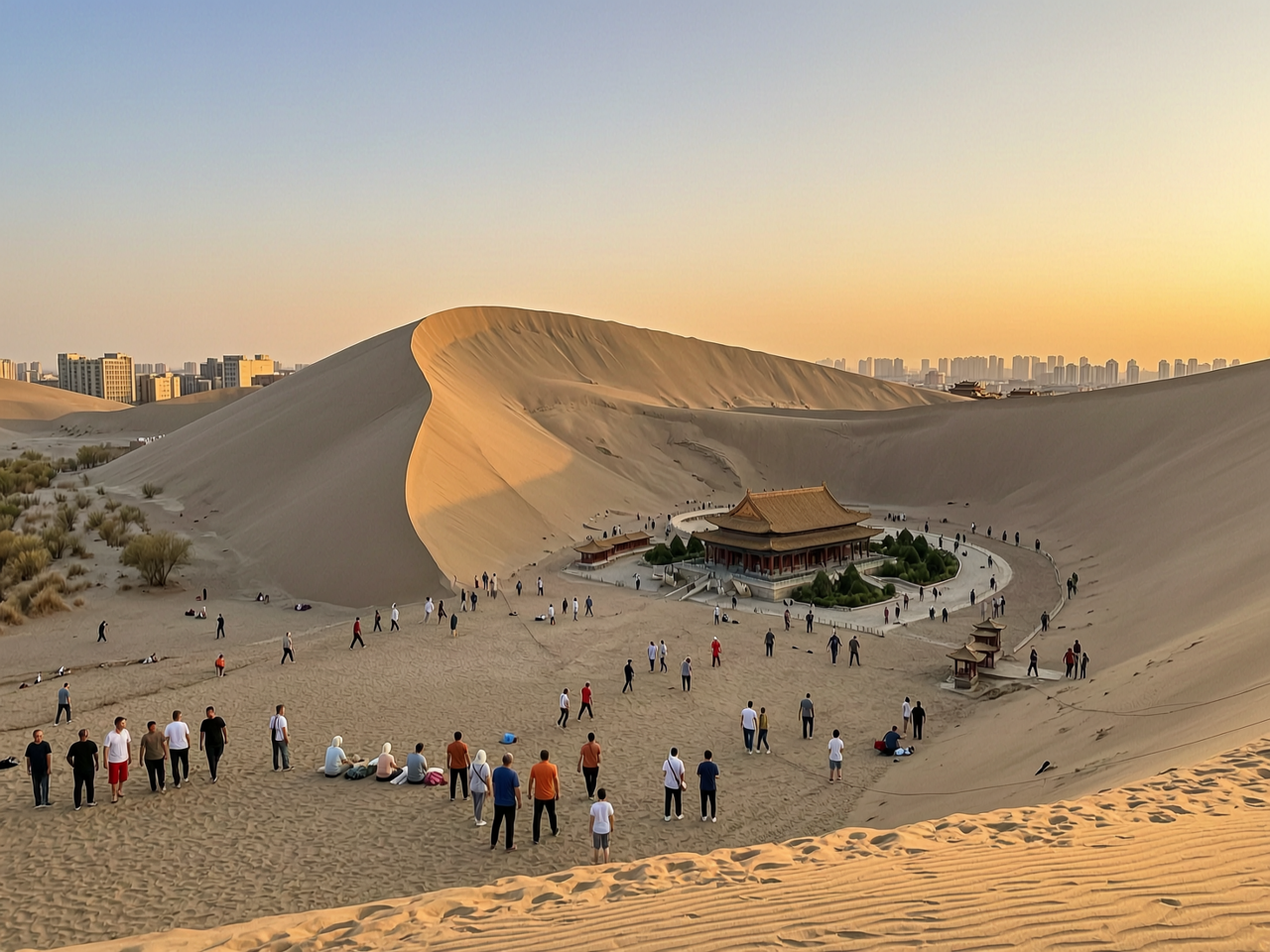
- Dunhuang - Oasis city on ancient Silk Road. Must-see: Mogao Caves (UNESCO, 492 caves with Buddhist art), Crescent Moon Spring, Singing Sand Dunes, Yangguan Pass.
- Urumqi - Capital of Xinjiang Uyghur Autonomous Region. Must-see: Heavenly Lake, International Grand Bazaar, Xinjiang Regional Museum.
- Xining - Gateway to Qinghai-Tibet Plateau. Must-see: Ta'er Monastery, Qinghai Lake (largest saltwater lake in China).
Tibet Autonomous Region
- Lhasa - Sacred capital of Tibetan Buddhism at 3,650m elevation. Must-see: Potala Palace (UNESCO), Jokhang Temple, Barkhor Street, Sera Monastery, Drepung Monastery. Requires Tibet Travel Permit. Best time: April-October. Tibet travel agency for private Tibet tours with permit assistance.
- Shigatse - Second-largest city in Tibet. Must-see: Tashilhunpo Monastery, Everest Base Camp (North Face).
- Nyingchi - "Switzerland of Tibet" with peach blossoms and forests. Lower altitude, good for acclimatization.
Northern China
- Hohhot - Capital of Inner Mongolia. Must-see: Inner Mongolia Museum, Dazhao Temple, grasslands (Huitengxile, Xilamuren), Gobi Desert. Famous for lamb and dairy products. Best time: June-September. Inner Mongolia travel agency.
- Harbin - "Ice City" in northeast China. Must-see: Ice and Snow Festival (January-February), Saint Sophia Cathedral, Central Street, Siberian Tiger Park. Best time: December-February for ice festival, June-August for summer.
- Qingdao - Coastal city with German colonial heritage. Must-see: Tsingtao Brewery (founded 1903), Badaguan district (200+ European villas), Laoshan Mountain (Taoist sacred site), beaches. Famous for beer and seafood. Best time: May-October. Qingdao travel agency.
Western China Provinces
- Qinghai Province - High-altitude plateau with stunning lakes and monasteries. Must-see: Qinghai Lake (largest saltwater lake), Ta'er Monastery, Chaka Salt Lake, Qilian Mountains. Best time: June-September. Qinghai travel agency.
- Gansu Province - Narrow corridor connecting central China to Xinjiang. Must-see: Mogao Caves (Dunhuang), Jiayuguan Pass (end of Great Wall), Zhangye Danxia Rainbow Mountains, Labrang Monastery. Best time: May-October. Gansu travel agency.
- Sichuan Province - Land of abundance with pandas, mountains, and spicy food. Must-see: Chengdu Panda Base, Jiuzhaigou National Park (colorful lakes), Huanglong Scenic Area, Emei Mountain, Leshan Giant Buddha. Best time: April-June, September-November. Sichuan travel agency.
- Yunnan Province - Most ethnically diverse province with 25 minority groups. Must-see: Kunming Stone Forest, Dali Erhai Lake, Lijiang Old Town, Shangri-La, Xishuangbanna tropical rainforest. Best time: Year-round (mild climate). Yunnan travel agency.
China Day Trips & Excursions
Maximize your limited time in China with our expertly curated day tours. Perfect for solo travelers, business visitors, cruise passengers, and those on tight itineraries. All day trips include English-speaking guide, private vehicle, entrance fees, and instant confirmation. Available in 13 major cities.
Beijing Day Trips (15 Tours)
Elevate your journey with masterfully curated Beijing day tours to the city's most iconic landmarks, seamlessly paired with stress-free airport, train station, or Tianjin port transfers. Trustworthy, English-friendly, and instantly confirmable.
- City's Finest in a Day - Forbidden City, Temple of Heaven, Summer Palace, Hutong rickshaw ride. Full-day comprehensive Beijing highlights tour.
- Great Wall Adventures - Mutianyu Great Wall (less crowded, toboggan ride), Jinshanling Great Wall (hiking section), Simatai Great Wall (night illumination).
- Layover Tours - 6-hour, 8-hour, 12-hour Beijing layover tours from Capital Airport. See Great Wall and Forbidden City even with short stopovers.
- From Cruise Ports - Tianjin Port to Beijing day trips. Visit Great Wall, Forbidden City, return to cruise ship same day.
- Airport & Station Transfers - Private transfers from Beijing Capital Airport (PEK), Daxing Airport (PKX), Beijing Railway Station, Beijing South Railway Station.
Shanghai Day Trips (6 Tours)
Discover the dynamic energy of Shanghai with our carefully designed day tours. From the historic Bund to the futuristic Pudong skyline, explore the city's unique blend of colonial heritage and modern innovation.
- Shanghai Highlights - The Bund, Yu Garden, French Concession, Shanghai Tower observation deck.
- Water Towns - Zhujiajiao Water Town, Zhouzhuang Water Town ("Venice of Shanghai").
- Suzhou Day Trip - Classical gardens, Tiger Hill, Pingjiang Historic Street (1 hour by high-speed rail).
- Hangzhou Day Trip - West Lake, Lingyin Temple, Longjing tea tasting (45 min by high-speed rail).
Guangzhou Day Trips (6 Tours)
Discover the culinary capital of China with our Guangzhou day tours. From the ornate Chen Clan Academy to the colonial charm of Shamian Island, explore a city where ancient Cantonese culture meets modern skyscrapers.
- Guangzhou City Tour - Chen Clan Academy, Shamian Island, Canton Tower, Pearl River cruise.
- Dim Sum Experience - Morning tea at historic tea houses, try har gow, siu mai, char siu bao.
- Foshan Day Trip - Ancestral Temple, Lingnan Tiandi, martial arts heritage (30 min from Guangzhou).
Chongqing Day Trips (6 Tours)
Experience the mountainous magic of Chongqing, China's "Fog City" built on steep hillsides. Our day tours showcase the iconic Hongya Cave stilted buildings, fiery hotpot culture, and the unique urban landscape.
- Chongqing City Tour - Hongya Cave, Yangtze River cable car, Ciqikou Ancient Town, Jiefangbei.
- Hotpot Experience - Authentic Chongqing hotpot with numbing spicy broth, fresh ingredients.
- Wulong Karst - Natural bridges, Furong Cave (Transformers filming location, 2 hours from Chongqing).
Shenzhen Day Trips (6 Tours)
Explore China's tech hub and youngest megacity with our Shenzhen day tours. From miniature global landmarks to bustling electronics markets, discover a city that transformed from fishing village to innovation powerhouse in 40 years.
- Shenzhen Highlights - Window of the World (130 miniature landmarks), Huaqiangbei electronics market, OCT Loft.
- Hong Kong Day Trip - Victoria Peak, Star Ferry, Temple Street Night Market (45 min by high-speed rail).
- Dameisha Beach - Relax at Shenzhen's most popular beach, water sports, seafood restaurants.
Guilin Day Trips (6 Tours)
Immerse yourself in the poetic landscapes of Guilin, where karst mountains rise dramatically from emerald rivers. Our day tours feature the legendary Li River cruise, countryside cycling, and bamboo rafting.
- Li River Cruise - 4-hour cruise from Guilin to Yangshuo, passing Elephant Trunk Hill, Nine Horse Fresco Hill.
- Yangshuo Countryside - Cycling through rice paddies, Yulong River bamboo rafting, Impression Liu Sanjie show.
- Longji Rice Terraces - Dragon Backbone Terraces, Zhuang and Yao minority villages (2.5 hours from Guilin).
Chengdu Day Trips (6 Tours)
Experience the laid-back charm of Chengdu, home to giant pandas and spicy Sichuan cuisine. Our day tours take you to the world-famous Panda Breeding Center and magnificent Leshan Giant Buddha.
- Panda Base Tour - Morning visit when pandas are most active, baby panda nursery, red pandas.
- Leshan Giant Buddha - 71-meter tall stone Buddha carved into cliff face, boat view and hiking options (2 hours from Chengdu).
- Sichuan Food Tour - Hotpot experience, street food tasting, tea house culture, cooking class.
Hangzhou Day Trips (6 Tours)
Discover the romantic beauty of Hangzhou, famously described by Marco Polo as "the finest and most splendid city in the world." Our day tours showcase the poetic West Lake and fragrant Longjing tea plantations.
- West Lake Tour - Boat cruise, Su Causeway, Leifeng Pagoda, flower viewing (spring cherry blossoms).
- Longjing Tea Experience - Tea plantation visit, picking experience, tasting session, tea ceremony.
- Lingyin Temple - One of China's wealthiest Buddhist temples, Feilai Peak grottoes.
Kunming Day Trips (6 Tours)
Experience the "Spring City" of Kunming, where eternal mild weather meets diverse ethnic cultures. Our day tours take you to the surreal Stone Forest and vibrant flower markets.
- Stone Forest - UNESCO-listed karst landscape formed over 270 million years, Ashima legend.
- Dounan Flower Market - Asia's largest fresh flower trading center, wholesale prices, bouquet making.
- Dianchi Lake - Seagull feeding (winter), Western Hills, Dragon Gate grottoes.
Haikou Day Trips (6 Tours)
Discover tropical Haikou, the capital of Hainan Island known as "China's Hawaii." Our day tours showcase volcanic landscapes, colonial arcade streets, and pristine beaches.
- Volcanic Geopark - Ancient craters, lava caves, tropical rainforest hiking.
- Qilou Old Street - Southeast Asian-influenced arcade architecture, local snacks, handicrafts.
- Holiday Beach - Coconut palms, warm tropical waters, water sports, sunset views.
Xiamen Day Trips (6 Tours)
Explore the coastal charm of Xiamen, a garden city on Fujian Province's southeast coast. Our day tours feature the car-free Gulangyu Island and iconic Hakka Tulou earthen buildings.
- Gulangyu Island - UNESCO World Heritage Site, colonial villas, Piano Museum, Shuzhuang Garden.
- Hakka Tulou - Circular earthen buildings (Yongding or Nanjing clusters), UNESCO World Heritage.
- Xiamen University - Often cited as China's most beautiful campus, Furong Tunnel graffiti.
Zhangjiajie Day Trips (6 Tours)
Discover the surreal landscapes of Zhangjiajie, where thousands of quartz-sandstone pillars rise dramatically from lush forests. Our day tours take you to the Avatar-inspired National Forest Park.
- National Forest Park - Yuanjiajie (Avatar Hallelujah Mountain), Tianzi Mountain, Golden Whip Stream.
- Tianmen Mountain - World's longest cable car (7,455m), Heaven's Gate arch (131m natural hole), glass skywalk.
- Grand Canyon Glass Bridge - World's longest glass-bottomed bridge (430m long, 300m high).
Qingdao Day Trips (6 Tours)
Experience the coastal charm of Qingdao, a former German concession known for its beer culture, colonial architecture, and beautiful beaches.
- Tsingtao Brewery Tour - Historic brewery founded 1903, unlimited tastings, beer museum.
- Badaguan District - Tree-lined streets with 200+ European-style villas, botanical gardens.
- Laoshan Mountain - Sacred Taoist site rising from Yellow Sea, hiking trails, temples.
China Travel Guide - Essential Information
Comprehensive travel guides from QTour, your trusted Chinese travel agency. Everything you need to know before traveling to China: visa requirements, entry procedures, weather, transportation, money, safety, and insider tips from our experienced guides.
China Visa Guide
Do I need a visa to travel to China? Current visa policies for 2026:
- 30-Day Visa-Free Entry - Citizens of France, Germany, Italy, Spain, Netherlands, Switzerland, Ireland, Hungary, Austria, Belgium, Luxembourg, Australia, New Zealand, Poland, Portugal, Greece, Cyprus, Slovenia, Slovakia, Norway, Finland, Denmark, Iceland, Andorra, Monaco, Liechtenstein, South Korea, Bulgaria, Romania, Croatia, Montenegro, North Macedonia, Malta, Estonia, Latvia, Lithuania, Brazil, Argentina, Chile, Peru, Uruguay, Colombia, Ecuador, Bolivia, Paraguay, Venezuela, Guyana, Suriname, Malaysia, Singapore, Thailand, Indonesia, Philippines, Cambodia, Laos, Myanmar, Vietnam, Brunei, Japan can enter China visa-free for up to 30 days for tourism, business, or family visits.
- 240-Hour Transit Visa-Free - Available for citizens of 53 countries including USA, Canada, UK, most EU countries, Australia, New Zealand, Japan, South Korea, Singapore, Malaysia, Thailand, UAE, etc. Must have onward ticket to third country within 240 hours (10 days). Available at major airports: Beijing, Shanghai, Guangzhou, Chengdu, Chongqing, Xi'an, Kunming, Hangzhou, Nanjing, Qingdao, Tianjin, Wuhan, Changsha, Harbin, Shenyang, Dalian, Xiamen, Fuzhou, Zhengzhou, Guilin, Nanning, Haikou, Sanya.
- Tourist Visa (L Visa) - For travelers not eligible for visa-free entry. Apply at Chinese embassy/consulate with passport, photo, application form, flight itinerary, hotel bookings. Processing time: 4-5 business days. Validity: 3 months to 10 years depending on nationality.
- Group Visa - For organized tour groups (minimum 5 people). Simplified application through travel agencies.
- Tibet Travel Permit - Separate permit required for Tibet Autonomous Region. Must be arranged through registered travel agency. Cannot apply independently. Allow 15-20 days processing time.
China Entry and Exit Procedures
What to expect at Chinese airports and border crossings:
- Arrival Process - Fill out arrival card (provided on plane or at airport), proceed to immigration, present passport and visa (if required), fingerprint scan, photo capture, collect luggage, customs declaration (red channel for goods to declare, green channel for nothing to declare).
- Customs Regulations - Duty-free allowance: 2 liters alcohol, 400 cigarettes, personal items. Prohibited: drugs, weapons, pornographic materials, political publications. Cash declaration required if carrying over 20,000 RMB or $5,000 USD equivalent.
- Departure Process - Check-in, security screening, immigration (passport control), duty-free shopping, boarding. Arrive at airport 3 hours before international flights, 2 hours before domestic flights.
- Transit Without Visa - If transiting through China to third country within 24/72/144/240 hours (depending on city), may qualify for transit without visa. Must have confirmed onward ticket and stay within city limits.
Plan Your China Trip
How to plan the perfect China itinerary:
- Best Time to Visit - Spring (April-May) and Autumn (September-November) offer mild weather nationwide. Summer (June-August) is hot but ideal for Tibet, Inner Mongolia, and high-altitude areas. Winter (December-February) is cold but great for Harbin Ice Festival and fewer crowds.
- Recommended Duration - First-time visitors: 10-14 days covering Beijing, Xi'an, Shanghai. Extended trips: 15-21 days adding Guilin, Chengdu, Yunnan. Short trips: 5-7 days focusing on one region.
- Budget Planning - Budget: $50-80/day (hostels, street food, public transport). Mid-range: $100-200/day (3-4 star hotels, mix of restaurants, private transport). Luxury: $250-500+/day (5-star hotels, fine dining, private guide and vehicle).
- Packing List - Comfortable walking shoes, layers for variable weather, power adapter (Type A/C/I), portable charger, basic Mandarin phrases app, copies of passport and visa, prescription medications with doctor's note.
China Weather & Climate Guide
China spans multiple climate zones. Regional weather patterns:
- Beijing & Northern China - Four distinct seasons. Spring: 10-20°C, occasional sandstorms. Summer: 25-35°C, humid, rainy season July-August. Autumn: 10-20°C, clear skies, best season. Winter: -10 to 5°C, cold and dry, occasional snow.
- Shanghai & Eastern China - Humid subtropical. Spring: 15-25°C, plum rain season June. Summer: 28-35°C, very humid, typhoon season August-September. Autumn: 15-25°C, pleasant. Winter: 0-10°C, damp cold.
- Guilin & Southern China - Subtropical monsoon. Spring: 15-25°C, rainy. Summer: 28-35°C, hot and humid. Autumn: 18-28°C, best season. Winter: 8-18°C, mild.
- Chengdu & Sichuan - Humid subtropical basin climate. Spring: 15-25°C. Summer: 25-30°C, humid. Autumn: 15-25°C, best season. Winter: 5-12°C, foggy, little sun.
- Tibet - High-altitude plateau climate. Spring: 5-15°C. Summer: 15-25°C, rainy season July-August. Autumn: 5-15°C, clear skies, best season. Winter: -10 to 10°C, cold but sunny.
- Yunnan - "Eternal spring" in Kunming (15-25°C year-round). Varies by elevation: tropical in Xishuangbanna, alpine in Shangri-La.
Great Wall of China Visitor Guide
Complete guide to visiting the Great Wall:
- Mutianyu Section - 90km northeast of Beijing. Best restored section, less crowded than Badaling. Cable car up, toboggan slide down. Open year-round. Entrance: 45 RMB, cable car: 100 RMB round-trip.
- Badaling Section - 70km northwest of Beijing. Most famous and most crowded. Best preserved, easiest access. Open year-round. Entrance: 40 RMB, cable car: 140 RMB round-trip.
- Jinshanling Section - 130km northeast of Beijing. Best for hiking, original condition, fewer tourists. 2-3 hour hike to Simatai. Entrance: 65 RMB.
- Simatai Section - Adjacent to Jinshanling. Only section open for night visits (lighting installed). Steep and challenging. Entrance: 40 RMB.
- Jiankou Section - 80km north of Beijing. Wild, unrestored, dangerous. For experienced hikers only. No entrance fee but requires guide.
- Best Time to Visit - April-May and September-October for mild weather and clear views. Avoid Chinese holidays (May 1-7, October 1-7) due to extreme crowds.
- What to Bring - Comfortable hiking shoes, water, snacks, sunscreen, hat, camera. Wear layers as temperature varies with elevation.
Giant Panda Experience Guide
Everything about seeing giant pandas in China:
- Chengdu Research Base - World's premier panda conservation center. 150+ pandas including babies. Best viewing: 8:00-10:00 AM during feeding time. Baby pandas born July-September. Entrance: 55 RMB. Located 10km from downtown Chengdu.
- Wolong Nature Reserve - 130km from Chengdu. More natural habitat, fewer crowds. Panda volunteer programs available (cleaning enclosures, preparing food). Minimum 1 week commitment.
- Bifengxia Panda Base - Near Ya'an, 150km from Chengdu. Part of Giant Panda Sanctuaries UNESCO site. Less touristy, more research-focused.
- Panda Facts - Adult pandas eat 12-38kg of bamboo daily. Sleep 10-16 hours per day. Solitary animals except during mating season (March-May). Cubs weigh only 100g at birth. Conservation status changed from "Endangered" to "Vulnerable" in 2016 due to successful breeding programs.
- Best Time to See Pandas - Morning feeding time (8:00-10:00 AM) when pandas are most active. Summer (July-September) for baby pandas. Avoid Chinese holidays when crowds are heavy.
Chinese Culture & Heritage
Explore 5,000 years of Chinese cultural heritage with QTour's comprehensive culture guides. From ancient traditions to modern customs, understand the rich cultural context that makes China unique.
Chinese Zodiac (Shengxiao)
The 12 animal signs of Chinese astrology and their meanings:
- Rat (2020, 2032) - Clever, quick-witted, resourceful. Compatible with Dragon, Monkey. Lucky numbers: 2, 3. Lucky colors: blue, gold.
- Ox (2021, 2033) - Diligent, dependable, strong, determined. Compatible with Rat, Snake, Rooster. Lucky numbers: 1, 4. Lucky colors: white, yellow, green.
- Tiger (2022, 2034) - Brave, confident, competitive. Compatible with Horse, Dog. Lucky numbers: 1, 3, 4. Lucky colors: blue, grey, orange.
- Rabbit (2023, 2035) - Quiet, elegant, kind, responsible. Compatible with Goat, Pig, Dog. Lucky numbers: 3, 4, 6. Lucky colors: red, pink, purple, blue.
- Dragon (2024, 2036) - Confident, intelligent, enthusiastic. Compatible with Rat, Monkey, Rooster. Lucky numbers: 1, 6, 7. Lucky colors: gold, silver, hoary.
- Snake (2025, 2037) - Enigmatic, intelligent, wise. Compatible with Ox, Rooster. Lucky numbers: 2, 8, 9. Lucky colors: black, red, yellow.
- Horse (2026, 2038) - Animated, active, energetic. Compatible with Tiger, Goat, Dog. Lucky numbers: 2, 3, 7. Lucky colors: yellow, green.
- Goat (2015, 2027) - Calm, gentle, sympathetic. Compatible with Rabbit, Horse, Pig. Lucky numbers: 2, 7. Lucky colors: brown, red, purple.
- Monkey (2016, 2028) - Sharp, smart, curiosity. Compatible with Rat, Dragon. Lucky numbers: 4, 9. Lucky colors: white, blue, gold.
- Rooster (2017, 2029) - Observant, hardworking, courageous. Compatible with Ox, Snake. Lucky numbers: 5, 7, 8. Lucky colors: gold, brown, yellow.
- Dog (2018, 2030) - Lovely, honest, prudent. Compatible with Tiger, Rabbit, Horse. Lucky numbers: 3, 4, 9. Lucky colors: green, red, purple.
- Pig (2019, 2031) - Compassionate, generous, diligent. Compatible with Tiger, Rabbit, Goat. Lucky numbers: 2, 5, 8. Lucky colors: yellow, grey, brown, gold.
Chinese New Year (Spring Festival)
China's most important traditional festival:
- Date - Falls on new moon between January 21 and February 20. 2026: February 17. 2027: February 6. 15-day celebration ending with Lantern Festival.
- Traditions - Family reunion dinner on New Year's Eve, red envelopes (hongbao) with money for children, firecrackers to scare away evil spirits, lion and dragon dances, temple visits.
- Taboos - Don't sweep floor on New Year's Day (sweeping away luck), don't wash hair (washing away fortune), don't use scissors/knives (cutting off luck), avoid saying negative words.
- Food Symbolism - Fish (surplus), dumplings (wealth), glutinous rice cake (higher income/position), longevity noodles (long life), tangerines/oranges (good luck).
- Travel Impact - Chunyun (Spring Festival travel rush) is world's largest annual human migration. 3 billion trips during 40-day period. Book trains/flights/hotels months in advance. Many businesses close for 7-15 days.
Chinese Festivals Calendar
Major traditional festivals throughout the year:
- Lantern Festival - 15th day of first lunar month (February/March). Marks end of New Year celebrations. Lantern displays, yuanxiao (sweet rice balls), riddle guessing.
- Qingming Festival (Tomb-Sweeping Day) - April 4-6. Honor ancestors by cleaning graves, offering food, burning incense. Also spring outing season.
- Dragon Boat Festival - 5th day of 5th lunar month (June). Commemorates poet Qu Yuan. Dragon boat races, zongzi (sticky rice wrapped in bamboo leaves).
- Mid-Autumn Festival - 15th day of 8th lunar month (September/October). Moon worship, family reunion, mooncakes, lanterns. Second most important festival after Spring Festival.
- Double Ninth Festival - 9th day of 9th lunar month (October). Respect for elderly, climbing mountains, chrysanthemum appreciation.
Chinese Food & Regional Cuisines
Eight major culinary traditions of China:
- Shandong Cuisine (Lu) - Salty, fresh, crispy. Famous dishes: braised sea cucumber, sweet and sour carp, Dezhou braised chicken. Origin of many northern Chinese cooking techniques.
- Sichuan Cuisine (Chuan) - Spicy, numbing, bold flavors. Famous dishes: mapo tofu, kung pao chicken, hotpot, dan dan noodles. Uses Sichuan peppercorns for distinctive numbing sensation (ma la).
- Cantonese Cuisine (Yue) - Fresh, light, slightly sweet. Famous dishes: dim sum (har gow, siu mai, char siu bao), roast goose, steamed fish, wonton noodles. Emphasizes natural flavors and freshness.
- Jiangsu Cuisine (Su) - Sweet, delicate, artistic presentation. Famous dishes: squirrel-shaped mandarin fish, Yangzhou fried rice, braised pork belly. Known for knife skills and soup-making.
- Zhejiang Cuisine (Zhe) - Fresh, tender, smooth. Famous dishes: Dongpo pork, West Lake vinegar fish, Longjing shrimp. Emphasizes seasonal ingredients.
- Fujian Cuisine (Min) - Light, umami-rich, seafood-focused. Famous dishes: Buddha jumps over the wall (luxury stew), oyster omelet, fish balls. Known for soups and seafood.
- Hunan Cuisine (Xiang) - Spicy, sour, aromatic. Famous dishes: Chairman Mao's red-braised pork, steamed fish head with chopped chili, smoked meats. Spicier than Sichuan but without numbing peppercorns.
- Anhui Cuisine (Hui) - Braised, stewed, wild ingredients. Famous dishes: stinky mandarin fish, hairy tofu, stone frog. Uses local mountain and river ingredients.
Chinese Tea Culture
China is the birthplace of tea with 5,000 years of history:
- Six Major Tea Types - Green tea (Longjing, Biluochun), White tea (Baihao Yinzhen), Yellow tea (Junshan Yinzhen), Oolong tea (Tieguanyin, Da Hong Pao), Black tea (Keemun, Dianhong), Dark tea (Pu'er).
- Tea Ceremony (Gongfu Cha) - Elaborate brewing method emphasizing skill and appreciation. Uses small teapot, multiple short infusions, aroma cups, tasting cups. Focuses on tea's color, aroma, taste, and appearance.
- Famous Tea Regions - Hangzhou (Longjing green tea), Fujian (Tieguanyin oolong, Da Hong Pao rock tea), Yunnan (Pu'er dark tea), Anhui (Huangshan Maofeng green tea), Sichuan (Mengding Ganlu green tea).
- Tea Etiquette - Tap fingers on table to thank server (originated from emperor story), don't fill cup to brim (leaves room for friendship), serve elders first, accept tea with both hands as sign of respect.
- Health Benefits - Antioxidants, improved metabolism, heart health, mental alertness, weight management. Green tea highest in antioxidants, Pu'er aids digestion.
Chinese Kung Fu (Martial Arts)
Traditional Chinese martial arts with philosophical depth:
- Shaolin Kung Fu - Originated at Shaolin Temple (Henan Province) 1,500 years ago. Combines Buddhism and martial arts. Famous for staff fighting, iron body training, animal styles (tiger, crane, snake, leopard, dragon).
- Tai Chi (Taijiquan) - Internal martial art emphasizing slow, flowing movements, breathing, and meditation. Practiced by millions for health benefits. Styles: Chen, Yang, Wu, Sun, Hao.
- Wing Chun - Close-quarters combat style made famous by Bruce Lee's teacher Ip Man. Emphasizes efficiency, direct attacks, simultaneous defense and offense. Popular in Guangdong and Hong Kong.
- Bajiquan - Explosive power style using elbow, shoulder, hip strikes. Known as "body-checking fist." Practiced by bodyguards and military.
- Where to Learn - Shaolin Temple (Henan), Wudang Mountain (Hubei, Taoist martial arts), Emei Mountain (Sichuan), Yongchun County (Fujian, Wing Chun birthplace). Many schools offer short-term courses for tourists.
About QTour - Your Trusted Chinese Travel Agency
QTour is a professional Chinese travel agency specializing in private China tours since 2006. With 20+ years of experience, we have served over 50,000 travelers from 80+ countries, earning a 4.9-star rating on TripAdvisor and Trustpilot.
Our Philosophy: One Booking, One Team
Unlike mass-market group tours, QTour follows a strict "One Booking, One Team" principle:
- Private Guide - Dedicated English-speaking guide (also available: Japanese, Korean, French, German, Spanish, Italian, Russian, Arabic guides). Your guide stays with you throughout the trip, providing personalized attention and local insights.
- Private Vehicle - Air-conditioned car, SUV, or van exclusively for your group. Professional driver with 10+ years experience. No sharing with strangers, no waiting for other groups.
- Optional Photographer - Professional photographer with DSLR camera and drone available for select tours. Captures stunning landscapes, street scenes, and candid moments. Photos delivered digitally within 48 hours.
- Flexible Itinerary - No rigid schedules or forced shopping stops. Adjust pace, skip attractions, add spontaneous discoveries. Your trip, your way.
Our Team
- Founders - Established in 2006 by travel enthusiasts with deep knowledge of Chinese culture and hospitality industry.
- Guides - 200+ certified guides with university degrees in tourism, history, or languages. Average 8+ years guiding experience. Regularly trained in customer service and cultural sensitivity.
- Drivers - Professional drivers with clean driving records, familiar with local roads and traffic patterns. Vehicles inspected monthly for safety.
- Operations Team - 24/7 support team handling bookings, emergencies, and special requests. Average response time: under 2 hours.
Our Credentials
- Licensed by China National Tourism Administration (License No.: L-BJ-CJ00123)
- Member of Pacific Asia Travel Association (PATA)
- TripAdvisor Certificate of Excellence (2018-2026)
- Trustpilot Rating: 4.9/5 stars from 2,000+ reviews
- IATA Accredited Agent
Contact QTour
Get in touch with our travel experts for inquiries, custom tour planning, or support:
- Email - info@qtour.net (Response within 24 hours)
- Phone - +86 17709717171 (Available 9:00-21:00 Beijing Time, GMT+8)
- WhatsApp - +8618909717171 (Quick responses, share photos/videos)
- WeChat - QTour (Add ID: QTour, popular in China)
- Telegram - @QTour (Secure messaging)
- Line - 8644444 (Popular in Japan, Thailand, Taiwan)
Follow Us on Social Media
- Facebook - facebook.com/qtourchina (Travel tips, customer stories, special offers)
- YouTube - youtube.com/@qtourchina (Destination videos, tour highlights, travel guides)
- Instagram - instagram.com/qtour_china (Stunning photography, behind-the-scenes, traveler features)
Office Address
QTour Travel Service Co., Ltd.
Room 1205, Building A, International Trade Center
No. 88 Jianguomenwai Avenue, Chaoyang District
Beijing 100022, China
Business Hours
Monday - Friday: 9:00 - 21:00 (Beijing Time, GMT+8)
Saturday - Sunday: 10:00 - 18:00 (Beijing Time, GMT+8)
Emergency Support: 24/7 for booked clients
Payment Methods
We accept: Visa, MasterCard, American Express, PayPal, Bank Transfer (USD, EUR, GBP, CNY), Alipay, WeChat Pay. Secure payment processing with SSL encryption. Full refund policy for cancellations 30+ days before departure.